Are you worried about surprise shipping costs from China? Hidden fees and customs delays can ruin your budget. DDP shipping offers a single, all-inclusive price for "zero stress" delivery.
DDP (Delivered Duty Paid) means your printer handles everything: shipping, insurance, customs clearance, and duties. The books arrive at your US warehouse with all costs covered. This gives you one fixed price upfront, making budgeting simple and eliminating surprise fees.
This all-in-one solution sounds great, but it’s important to understand the details. As a printer who grew up in this business, I’ve seen how DDP can be a game-changer for publishers. Let’s break down what it really means for your business. It is more than just a shipping term.
So, what exactly is DDP?
Confused by all the shipping acronyms? Terms like DDP can seem complex, making you unsure of what you’re paying for. It’s simple: DDP means your supplier handles everything, right to your door.
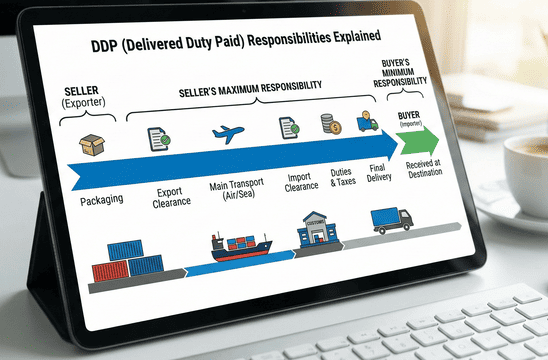
DDP stands for "Delivered Duty Paid." It’s an international trade term where the seller (your printer) assumes all responsibilities, risks, and costs. This includes shipping, customs clearance, import duties, and final delivery to your specified US warehouse or location.
The Seller’s Full Responsibility
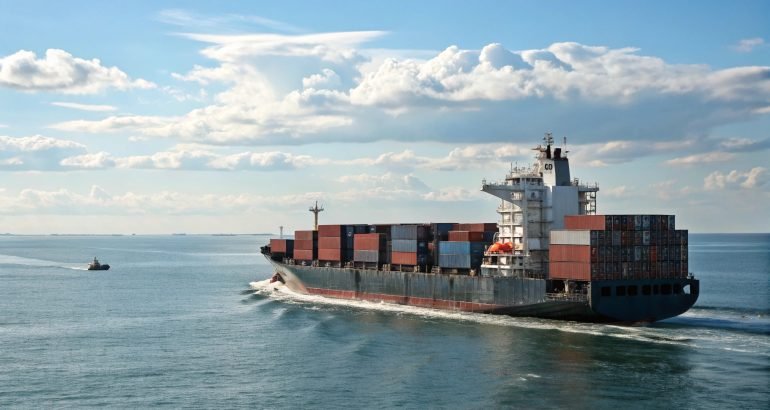
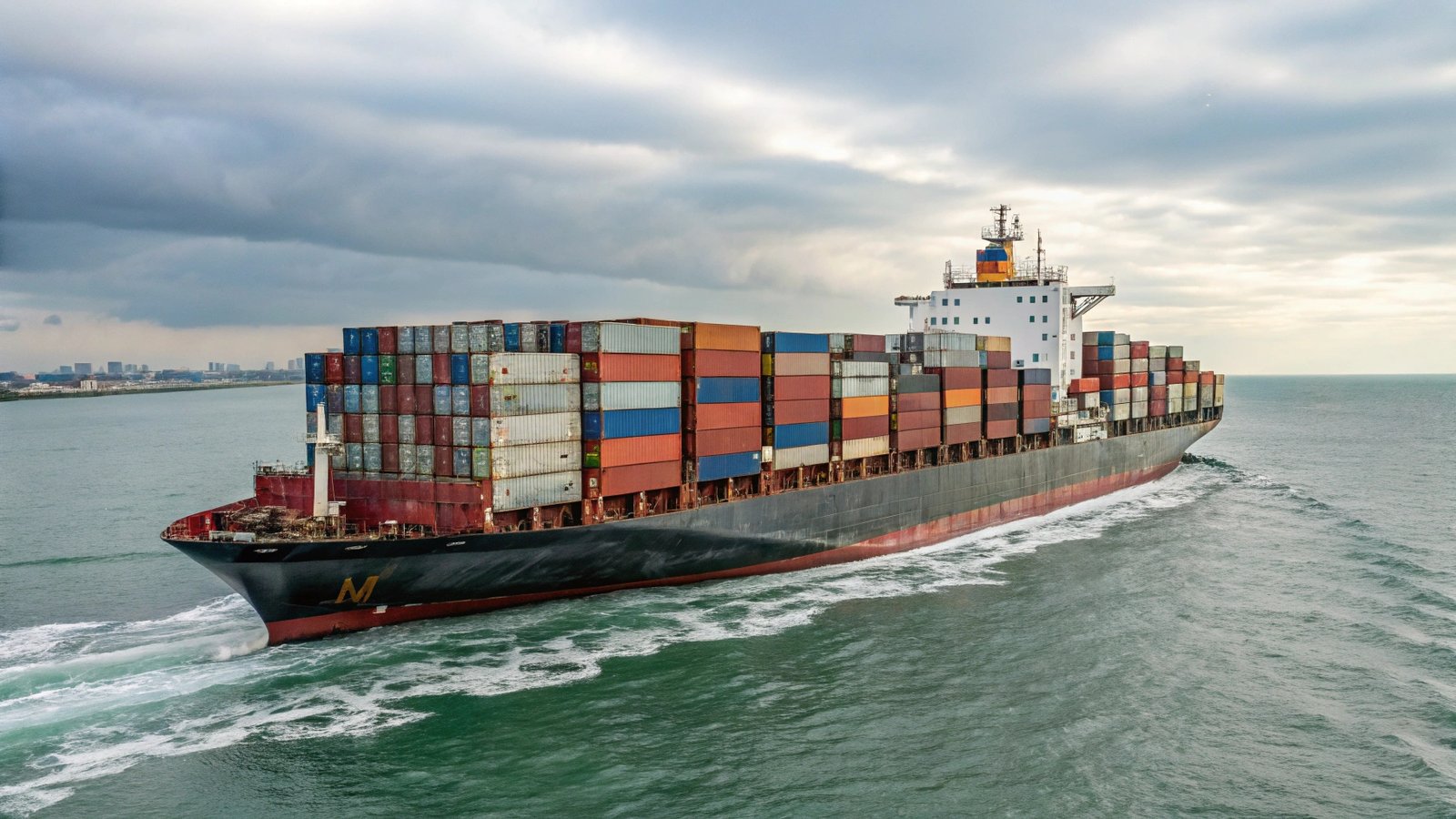
When you agree to DDP terms, the responsibility is entirely on me, the printer. My team and I manage the entire process. We pack your books, truck them to the port in China, and handle the ocean freight. When the ship arrives in the US, we manage the customs clearance process. We pay all the necessary duties and taxes. Finally, we arrange for a truck to deliver the books from the port to your final destination. This could be your warehouse, a distributor, or an Amazon FBA center. Every step is covered.
The Buyer’s Peace of Mind
For you, the publisher, this means total peace of mind. A production director like Stephanie has a lot on her plate. She is managing titles, authors, and marketing deadlines. She doesn’t have time to become a logistics expert. DDP turns a dozen variable supply chain costs into a single, fixed line item on her budget. This financial certainty allows her to calculate profit margins accurately before the books even leave my factory. She can focus on what she does best: publishing and selling great books.
How does DDP compare to DDU and DAP?
Are you choosing the wrong shipping term? It could leave you with unexpected customs bills and delivery headaches. Let’s clarify the key differences so you can choose wisely and protect your budget.
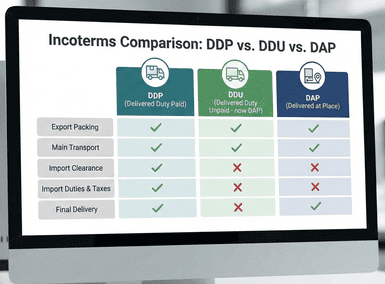
The main difference is who pays the import duties. With DDP, the seller pays. With DDU (Delivered Duty Unpaid) and DAP (Delivered at Place), the buyer is responsible for paying duties and taxes upon arrival. DDP offers the most convenience for the buyer.
Who Pays the Duty?
The critical difference comes down to one thing: who handles the customs process and pays the import duties? With DDP, the seller handles it all. We take care of the paperwork and pay the fees. With DAP and DDU, the shipment arrives at the US port, and the process stops. The buyer then has to hire a customs broker, handle the clearance, and pay whatever duties and taxes are owed before the books can be released for final delivery. This can cause delays and create surprise costs that weren’t in the original budget.
A Simple Comparison
To make it clearer, think about it like this. I’ve put together a simple table to show the responsibilities. DDU is an older term that has been mostly replaced by DAP in the official Incoterms, but some suppliers still use it. The core concept is the same: the buyer pays the duty.
| Term | Seller’s Responsibility | Buyer’s Responsibility | Best For |
|---|---|---|---|
| DDP | Everything, including customs, duties, & final delivery | Unloading at their own warehouse | Buyers who want a single, all-inclusive price |
| DAP | Everything up to the final destination, except duties | Paying customs duties, taxes, and unloading | Buyers with their own customs broker/prefer control |
| DDU | Same as DAP (older term) | Paying customs duties, taxes, and unloading | Buyers comfortable managing import clearance |
For a publisher in the US, DDP eliminates the biggest variables and potential headaches of importing.
Are there really tariffs when importing books to the US?
Are you worried about high tariffs from China? These extra costs can eat into your profits unexpectedly. The good news is that for book publishers, the situation is much better than you might think.
Yes, but it’s not straightforward. Most general books (like novels or cookbooks) face a 7.5% Section 301 tariff from China. However, children’s picture books, board books, and religious texts are often exempt and duty-free, making the "Duty Paid" part of DDP highly predictable.
The Section 301 Tariff
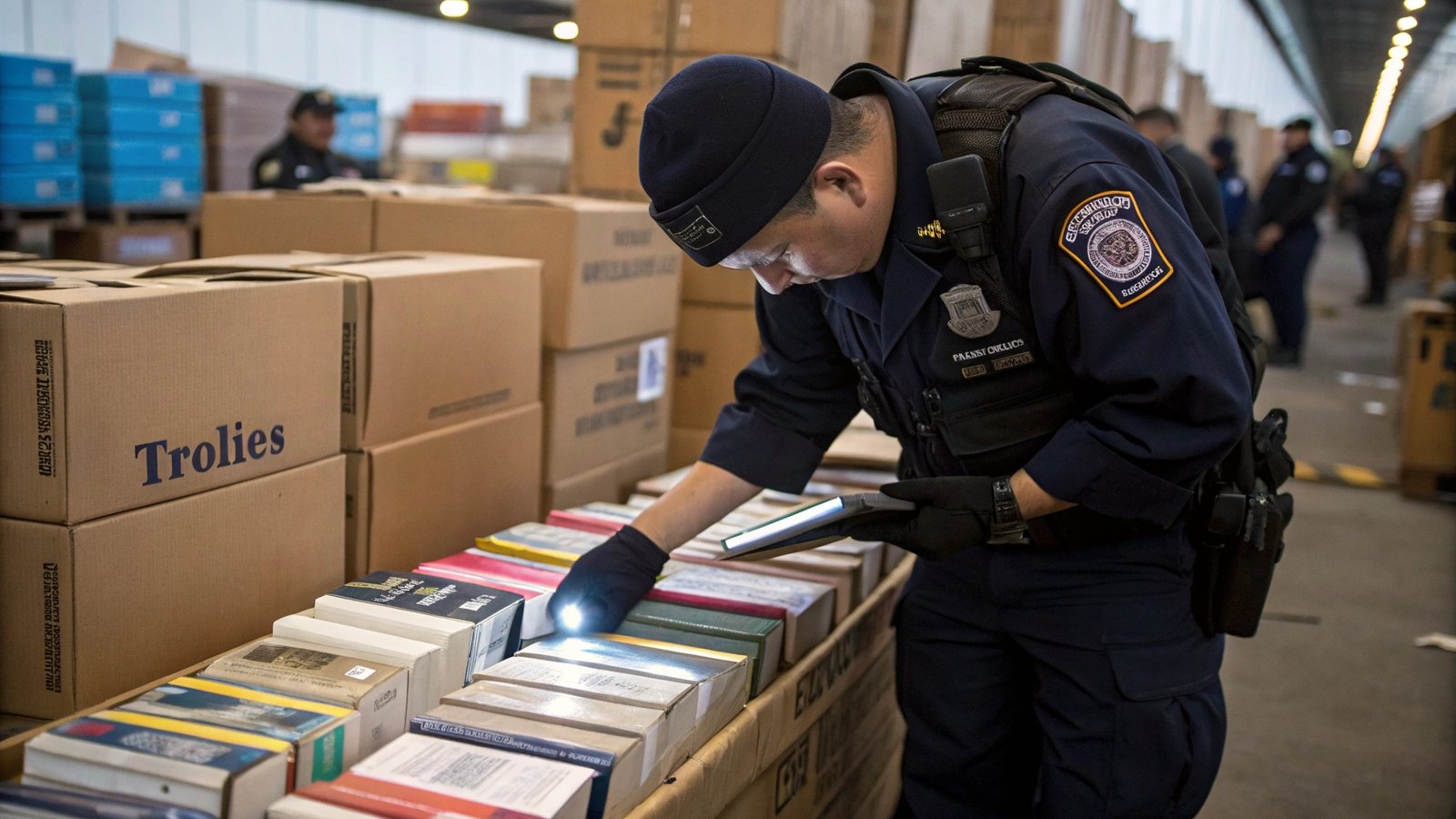
For several years, many goods from China have faced additional tariffs under a trade rule called Section 301. Most book categories fall under this, which means a 7.5% tariff is added to the value of the goods. This is a significant cost that must be factored into your budget. When we quote a DDP price for a novel or a business book, for example, we calculate this 7.5% duty and include it in the single price we give you. It’s predictable, but it’s there.
The Duty-Free Exemptions
Here is the important part for many publishers. The US government provides exemptions for materials that are considered educational or informational. This policy is rooted in First Amendment protections. Because of this, certain types of books are completely duty-free. This includes children’s picture books, board books, and religious texts like Bibles. I once had a client who published children’s books. They were very worried about tariffs until we confirmed their entire shipment was exempt. This unique status completely de-risks the "Duty Paid" component of DDP for them. It makes the final landed cost exceptionally stable and removes the tariff risk seen with other products.
Why do so many printers push for FOB instead of DDP?
Has your supplier ever refused to offer DDP? It can feel like they are avoiding responsibility and leaving you to handle the hard parts. The reason is simple: FOB is much easier and less risky for them.
Many suppliers prefer FOB (Free On Board) because their responsibility ends once the goods are on the ship in China. It transfers all shipping, customs, and delivery risks to the buyer. DDP requires a strong international logistics network and expertise, which many printers lack.
Shifting the Risk
FOB is the easy way out for a supplier. Under FOB terms, their only job is to produce the books and get them onto the cargo ship at our local port. Once the container is loaded, their work is done, and they get paid. From that point on, everything is the buyer’s problem. A publisher like Stephanie would then need to find her own freight forwarder to manage the ocean journey. She would also need a customs broker in the US to handle the import paperwork and a trucking company to get the books from the port to her warehouse. It’s a lot of separate pieces to manage, each with its own costs and potential for delays.
A Sign of a Capable Partner
In my 37 years in this industry, I’ve seen that a printer’s ability to offer DDP is a clear sign of their experience and sophistication. While many printers prefer FOB to offload risk, a partner who masters DDP shows a much deeper commitment. It proves they have a solid understanding of US customs regulations. It shows they have reliable logistics partners on the ground in the US. It demonstrates they are committed to providing a true end-to-end service. This is the hallmark of a top-tier global printing partner. It’s a signal that we aren’t just selling a product; we are providing a complete, hassle-free solution.
What should you watch out for when choosing DDP shipping?
Are you ready to choose DDP for your next project? That’s great, but not all DDP services are created equal. Hidden details in the quote can still cause problems down the line.
Ensure the DDP quote is truly all-inclusive. Ask specifically about terminal handling charges, customs bond fees, and final inland trucking. Also, verify your printer’s experience with US customs and their logistics partners. Clear communication and a detailed quote are essential.

The All-Inclusive Quote
The whole point of DDP is to have one single, final price. However, you need to make sure it’s truly all-inclusive. I always recommend that my clients ask a few specific questions. Does the price include the customs bond fee required for imports into the US? Does it cover all port fees, like Terminal Handling Charges (THC) and ISF filing? Is the final trucking to your specific zip code included, or just to the port city? A trustworthy supplier will be happy to break down their DDP quote to show that all these potential costs are covered. Transparency is key to building a good partnership.
Vet Your Printer’s Network
A printer’s DDP service is only as good as their logistics partners. The process doesn’t end when the books leave my factory. We rely on freight forwarders, customs brokers, and trucking companies in the US to complete the delivery smoothly. Over the decades, we have built a network of very reliable partners who understand the specific needs of book publishers. Before you commit, ask your printer about their US-side partners. How long have they worked with them? Do they have experience clearing book shipments? A printer who can confidently answer these questions is one you can trust to get your books delivered without any last-minute drama.
Conclusion
DDP shipping simplifies your logistics, provides cost certainty, and lets you focus on your core business. It’s a smart choice for a stress-free experience from China to your warehouse.