
Book Cover Lamination Guide
Compare gloss, matte, soft-touch and other book lamination options. Find the right look, feel and surface protection for your next printing project.
Quick answer: Lamination bonds a thin film to printed paper or board. Gloss adds shine, matte reduces glare, and soft touch adds a velvety feel. The best choice depends on artwork, handling and budget.
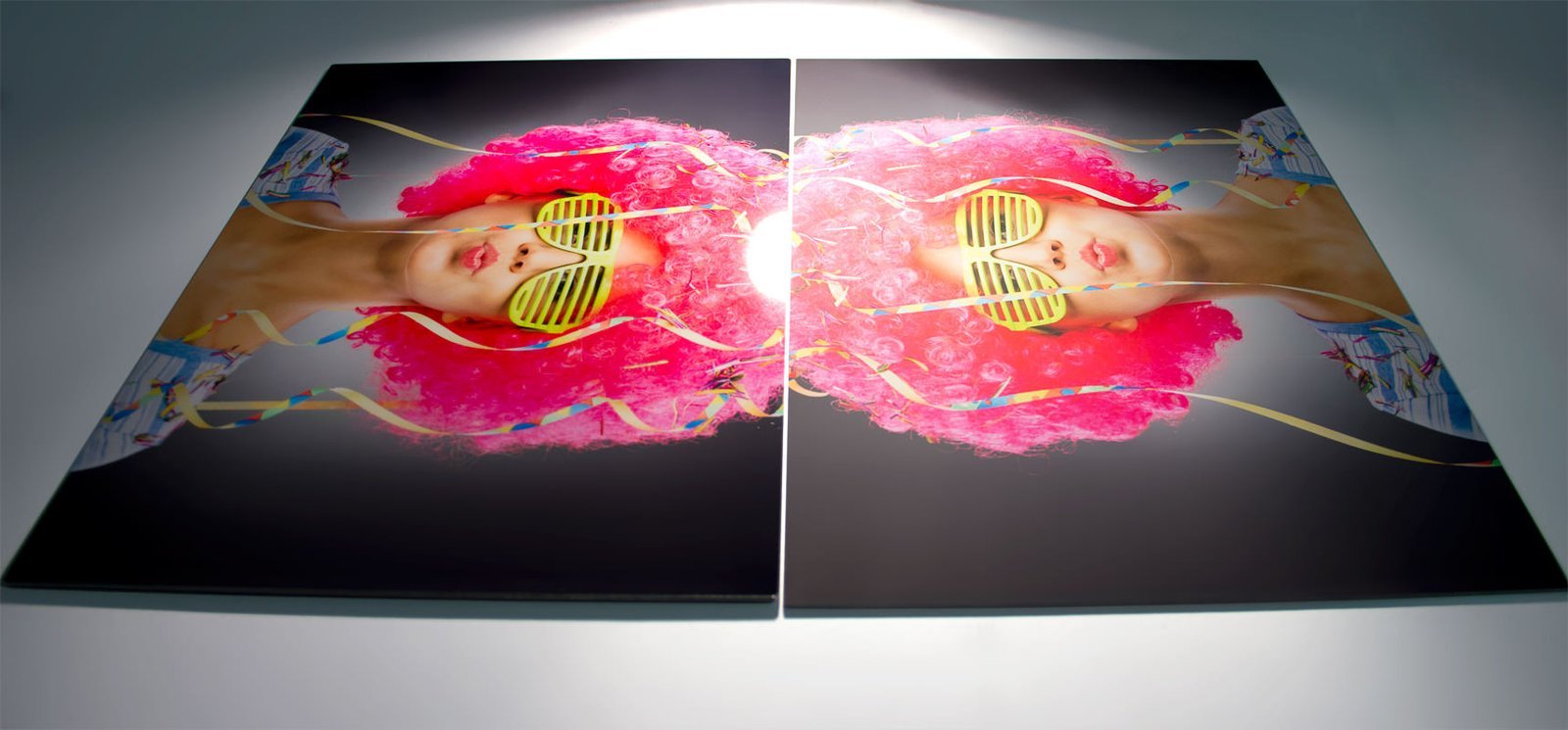
What is book lamination?
Book lamination is the process of bonding a thin film to a printed paper or board surface. It is commonly used on paperback covers, hardcover case wraps, dust jackets and board book surfaces to change their appearance and provide added resistance to everyday handling, moisture and scuffing.
The film protects the surface it covers; it does not make the entire book waterproof or indestructible. Results depend on the film, paper, ink coverage and how the book is used.
Common book lamination types
Each finish changes the balance between reflection, texture and resistance to handling. Ask for a physical sample: screen images cannot show the full effect.

Gloss lamination
A shiny, smooth film that can make colors and photographs appear vivid. A practical choice for colorful children's books, photo books and frequently handled covers.
Consider: reflections can make dark designs or small text harder to view under direct light.

Matte lamination
A low-sheen film with a restrained, contemporary appearance and less glare. Popular for novels, art books, catalogs and minimalist cover designs.
Consider: dark, solid-color areas can show scuffs or fingerprints more readily; request a sample.

Soft-touch lamination
A low-sheen film with a velvety feel, often selected for premium covers, gift books and presentation pieces. It differs from a liquid soft-touch coating.
Consider: fingerprints and rubbing may show, particularly on dark artwork. Test the chosen film with your design.
Anti-scuff matte lamination
A matte film formulated to reduce visible rubbing and scuff marks. It can be useful for dark covers, retail handling and books transported in stacks.
Consider: resistance varies by film; it is not scratch-proof. Compare samples and confirm availability.
Satin or silk lamination
A finish with a gentle sheen between typical matte and gloss films. It offers a balanced appearance for photography, illustrated covers and premium publications.
Consider: names and surface feel vary between suppliers, so approve a physical sample.
Textured & specialty lamination
Films with a distinct texture or visual effect can add another dimension to a cover. Examples include linen-like and other tactile finishes.
Consider: availability, minimum quantities and compatibility with subsequent finishing depend on the material.
Compare book lamination finishes
| Finish | Appearance & feel | Often chosen for | Check before printing |
|---|---|---|---|
| Gloss | Shiny, smooth | Colorful and photographic covers | Glare under lighting |
| Matte | Low sheen, smooth | Novels, art books, catalogs | Visible marks on dark solids |
| Soft touch | Low sheen, velvety | Premium and gift books | Fingerprints and rubbing |
| Anti-scuff matte | Low sheen, smooth | Dark or frequently handled covers | Film-specific performance |
| Satin / silk | Moderate sheen | Illustrated and photo covers | Supplier-specific appearance |
These are general characteristics, not performance guarantees. Film specifications and availability vary.
Not sure which finish fits your book?
Tell us about your artwork, book format and expected use. We can discuss suitable finishes and sample options.
How to choose lamination for a book
1. Start with the artwork
Gloss can emphasize colorful images; matte reduces glare. Dark, solid backgrounds deserve special attention because marks may be more visible.
2. Consider handling
Think about shipping, shelf handling and the reader. For covers that see frequent use, compare gloss and anti-scuff samples against standard matte.
3. Review the full specification
Share the book format, paper, quantity, finish and delivery market. Ask about samples, cost, lead time and any downstream finishing before approval.

Lamination, coatings and special finishes
Lamination vs. varnish or UV coating: Lamination bonds a separate film to the sheet; varnish and UV coating are liquid finishes applied and dried or cured on the surface. They offer different appearance, feel and protection. A soft-touch coating is not the same product as soft-touch film.
Spot UV, foil and embossing: These can create contrast or texture on selected areas of a cover. Compatibility and production order depend on the specific film, artwork and finishing process. Discuss the combination early and approve a production sample.
Recycling: Film, adhesive and local recycling systems affect whether a laminated product is accepted and how it is processed. Do not assume every laminate is recyclable; ask for the material specification and check local requirements.
Children's books: The intended age and destination market can affect material and testing requirements. Discuss applicable standards and documentation for the complete product with your printer.
Explore book printing options
See how cover finishing fits into your book specification.
Book lamination FAQs
Is matte or gloss lamination better for a book cover?
Neither is universally better. Gloss adds shine and can make color feel more vivid; matte reduces glare and offers a quieter appearance. Consider your artwork, handling and a physical sample.
What is the difference between matte and soft-touch lamination?
Both typically have low sheen, but standard matte is usually smooth while soft-touch film has a velvety feel. Their susceptibility to marks depends on the specific film and artwork.
Can spot UV or foil be applied over lamination?
Often, yes, but adhesion and production order depend on the film and process. Share the artwork and finishing specification with your printer and approve a sample before production.
Does lamination make a book waterproof?
No. It adds some protection to the covered surface, but exposed edges, bindings and unlaminated pages can still be damaged by water.
Can laminated books be recycled?
Acceptance depends on the film, construction and local recycling facility. Check the material specification and local guidance before making a recycling claim.
Can I see lamination samples before ordering?
Ask your printer about available samples and a proof using your artwork and specified materials. A physical sample is the best way to compare finish and feel.
Ready to choose your book finish?
Share your book type, quantity and preferred look. Huaxin Printing can help you discuss the next step.