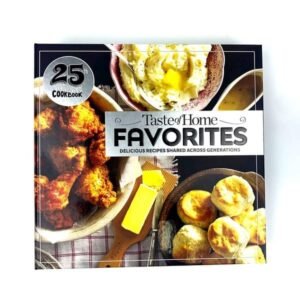

Book printing in China can feel risky when a publisher only compares unit prices, MOQs, and lead times. Small specification gaps can become expensive proofing, color, binding, packaging, or delivery problems later. The better approach is to make every quote, proof, supplier capability, and landed-cost assumption clear before production starts.
Book printing in China in 2026 is still a strong option for publishers, but not because it is simply “cheap.” It works best when publishers compare complete specifications, proofing standards, supplier capability, content eligibility, quality control, packaging, tariff impact, and final landed cost against other sourcing options.
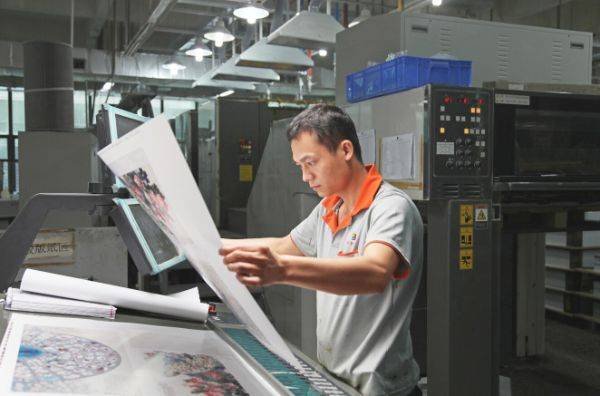
I work with overseas publishers who often come to us with the same question: “Can you quote this book?” My first answer is usually another question. Do we have enough information to quote it correctly? That is where better sourcing decisions begin.
Why is “cheap” not the only reason to choose book printing in China?
Many publishers start with price because price is visible and easy to compare. I understand that pressure. However, a low unit price can hide unclear paper specs, weak packaging, poor color control, missing proofing steps, or supplier mismatch. The real risk is not paying more. The real risk is buying the wrong production setup.
A publisher should choose book printing in China when the supplier can control specifications, communication, prepress, color, binding, QC, packaging, and delivery responsibilities. Price matters, but it should be compared together with total landed cost, production reliability, and supplier fit for the exact book type.
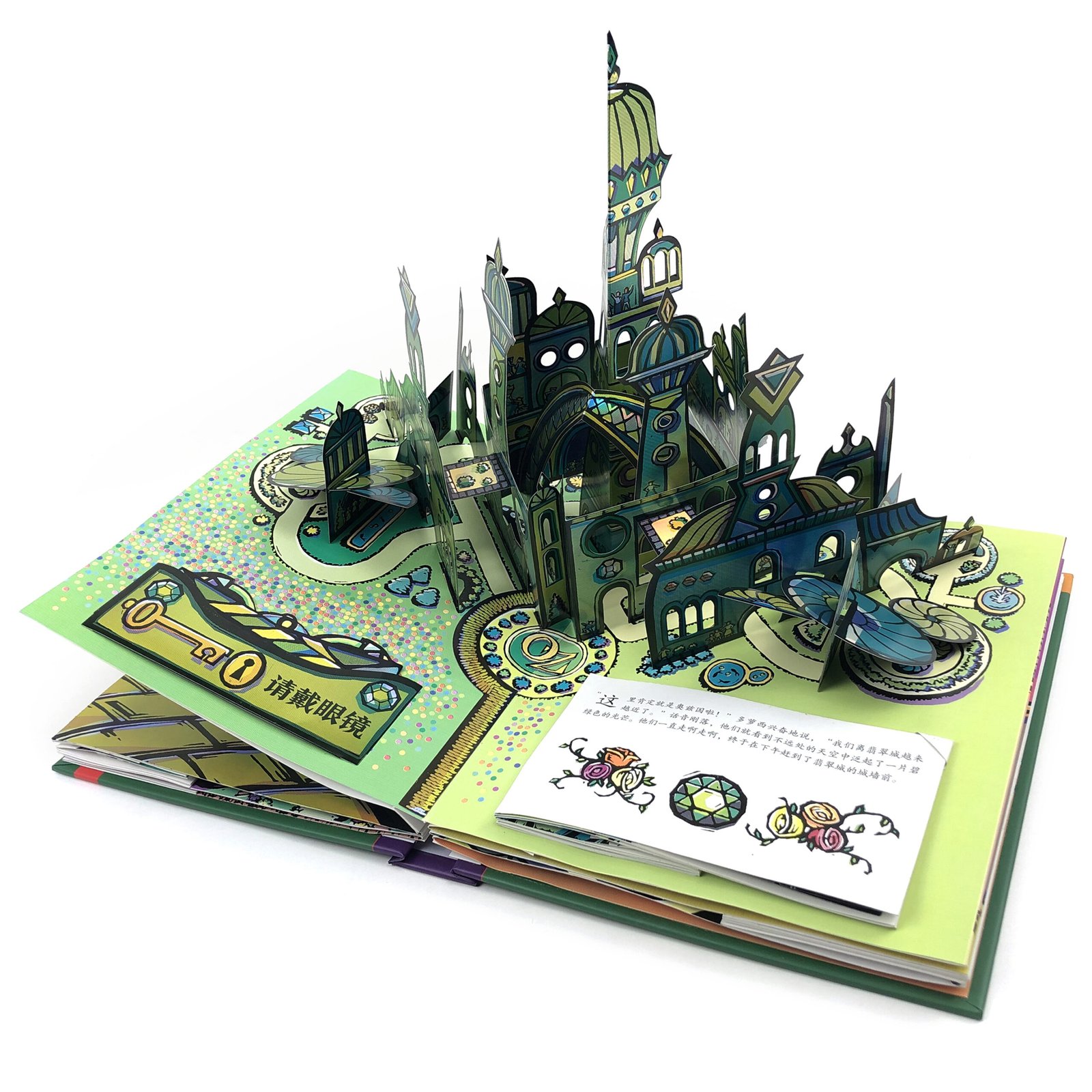
A quote is only as reliable as the brief behind it
I often see publishers ask for price and MOQ too early. That is natural, especially for new titles, Kickstarter-style projects, or seasonal publishing programs. But a reliable quote needs a complete production brief.
At minimum, I prefer to see:
- Trim size
- Page count
- Binding style
- Paper type and paper weight
- Color requirement, such as CMYK, spot color, or special color matching
- Finishing, such as lamination, foil, embossing, debossing, spot UV, or sprayed edges
- Quantity
- Proofing requirement
- Packaging method
- Delivery terms
- Destination country or port
- Content category, especially if the book may include sensitive content
Without these details, two suppliers may quote two different products while using the same book title. One factory may assume a thinner paper. Another may quote stronger cartons. One may include a contract proof. Another may not. The cheaper quote may not be cheaper after all.
China’s advantage is often coordination, not only labor cost
For many publishers, book printing in China works well because the supply chain is deep. Paper options, binding workshops, finishing vendors, component suppliers, packaging suppliers, and export logistics are close to each other. This matters more when the book is not a simple paperback.
For example, a standard black-and-white paperback may be easy to source in many countries. But a children’s board book with die-cut pages, magnets, a slipcase, and safety-tested accessories needs more coordination. An art book with tight color expectations needs stronger prepress and press control. A book-plus set may need both printing and accessory sourcing.
Here is how I suggest comparing suppliers:
| Evaluation point | Why it matters |
|---|---|
| Similar project experience | A cookbook, board book, art book, and game rulebook all have different risks |
| Prepress ability | File checking, color management, and proofing affect final output |
| Binding capability | Hardcover, board book, Wiro-O, saddle stitch, and casebound books need different controls |
| QC process | Inline and final inspection reduce avoidable defects |
| Packaging discipline | Strong cartons and pallets reduce transit damage |
| Communication | Clear project management prevents expensive misunderstandings |
| Certifications and audits | Buyers should verify FSC, ISO, SMETA, or customer audit documents when relevant |
A good supplier does not only ask, “How many copies?” A good supplier asks, “What result does the publisher need, and what production route can achieve it?”
Low price can become high cost
A low quotation may become expensive if it causes:
- Color rework
- Paper substitution disputes
- Binding durability issues
- Late proof approval
- Transit damage
- Missed launch dates
- Unclear export or delivery responsibility
This is why I do not position China as only the cheapest option. I position it as a strong manufacturing option when the publisher wants controlled customization, volume production, complex binding, book-plus sourcing, and one-stop coordination.
Why should publishers never underestimate proofing in book printing in China?
Proofing feels like a small step until something goes wrong in mass production. A beautiful PDF does not guarantee a beautiful book. A digital proof does not always predict offset printing. A blank dummy does not prove color. If proofing is weak, publishers approve uncertainty instead of approving production.
Proofing is essential in book printing in China because it confirms files, structure, color direction, paper feel, binding, finishing, and packaging expectations before bulk production. Publishers should define which proof is required, what it proves, and what it does not prove before approving mass production.

Proofing is not one single thing
In my daily communication with publishers, I try to separate proofing into different purposes. This prevents the common mistake of expecting one proof to answer every question.
| Proof type | What it helps confirm | What it may not fully confirm |
|---|---|---|
| Digital proof | Layout, text, image position, basic color direction | Exact offset color and paper interaction |
| Wet proof / press proof | More realistic color on selected paper | Full production consistency across all copies |
| White dummy | Size, thickness, binding structure, hand feel | Printed color and final finishing effect |
| Finished sample | Overall structure and appearance | Bulk consistency if made by sample process |
| Packaging sample | Carton fit, packing method, presentation | Real container conditions and long transit stress |
For art books, <a href="https://huaxinprinting.com/children-book-printing/" target="_blank" rel="noopener">children’s books</a>, <a href="https://huaxinprinting.com/hardcover-book-printing/" target="_blank" rel="noopener">hardcover books</a>, <a href="https://huaxinprinting.com/board-book-printing/" target="_blank" rel="noopener">board books</a>, <a href="https://huaxinprinting.com/novelty-book-printing/" target="_blank" rel="noopener">novelty books</a>, and premium illustrated titles, proofing deserves special attention. These projects have more variables. Paper, ink density, lamination, glue, folding, die-cutting, and finishing can all change the result.
The proof-to-production gap is real
A proof is a controlled reference. Mass production is a repeatable manufacturing process. They are related, but they are not identical. Publishers should know this before they approve anything.
Common proof-to-production gaps include:
- Paper availability: The proof may use one paper batch, while mass production may use another approved equivalent if not locked clearly.
- Color consistency: A press run has normal tolerance. A supplier should explain how color is controlled.
- Finishing variation: Foil stamping, embossing, spot UV, and lamination can vary if tooling and setup are not controlled.
- Binding strength: A sample may look good, but bulk binding needs proper glue, drying, pressure, and inspection.
- Board book alignment: Small shifts can become visible on thick pages or die-cut shapes.
- Packaging fit: A book that fits tightly in a carton during sampling may suffer corner damage if carton strength is weak.
I have seen overseas publishers focus heavily on the printed pages and forget the physical behavior of the book. A children’s book is touched, pulled, dropped, and opened many times. A coffee-table book must feel solid. A museum book may need excellent color and surface protection. The proofing plan should match the use case.
What I ask publishers to approve
Before moving to bulk production, I like to make approval points very clear:
- Final print-ready files
- Paper specification
- Color reference or proof
- Binding structure
- Finishing method
- Packaging method
- Shipping mark and carton details
- Any certification or material document required by the buyer
- Inspection plan
- Production schedule after approval
This list is not complicated, but it prevents many mistakes. If a publisher only approves “the sample looks good,” the supplier and publisher may still have different expectations. Clear proofing creates shared responsibility.
Why is “China Plus” valid, but book printing in China is not interchangeable?
Many publishers now consider China Plus sourcing. I think that is reasonable. Supply-chain risk, tariff uncertainty, regional diversification, and customer expectations all matter. But China Plus should not mean replacing one Chinese printer with any printer in another country. The production capability must still match the book.
China Plus is a valid strategy, but book printing in China is not interchangeable with every alternative region. Publishers should compare total landed cost, supplier maturity, material access, finishing capability, quality consistency, packaging reliability, and project management before moving production.
Compare systems, not countries
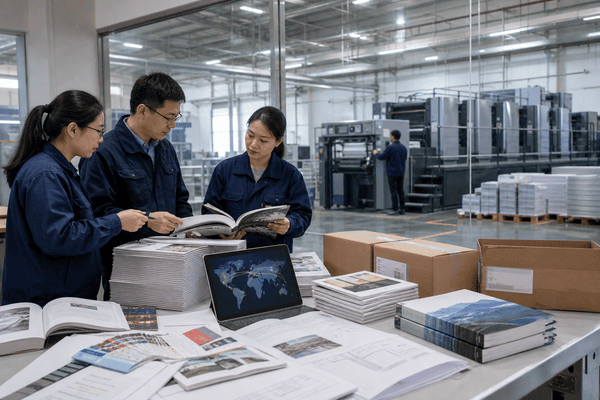
A country name does not print a book. A factory team prints the book. A prepress team checks the files. A binding line makes the product durable. A sourcing team finds accessories. A packing team protects the cartons. A project manager connects all these steps.
That is why I suggest comparing systems, not only regions.
A useful China Plus comparison should include:
| Question | Why it matters |
|---|---|
| Can the supplier make the same binding style? | Not all factories handle board books, novelty books, or complex hardcover books well |
| Can they access the same paper and materials? | Substitution may affect cost, color, thickness, and durability |
| Can they control color? | Art books and illustrated books need stable prepress and press control |
| Can they manage accessories? | Book-plus products need sourcing and assembly discipline |
| Can they pack for export properly? | Long-distance shipping can damage weak cartons or pallets |
| Can they communicate clearly? | Slow or unclear communication adds schedule risk |
| What is the total landed cost? | Unit price alone can mislead |
China Plus can reduce risk, but it can also add complexity
I do not dismiss China Plus. For some publishers, a dual-region strategy makes sense. It may reduce overdependence on one country. It may support local market needs. It may help with regional delivery planning.
However, publishers should avoid assuming that China Plus automatically reduces total cost or total risk. Some alternative regions may have higher manufacturing costs, less mature finishing networks, fewer material options, or longer coordination routes. In some cases, the unit manufacturing cost outside China may be significantly higher. The exact difference depends on the product, quantity, supplier, region, and material market, so buyers should verify current data before making decisions.
Book printing in China remains strong for projects that need:
- Large-volume production
- Complex binding
- Children’s books
- Board books
- Book-plus products
- Accessories sourcing
- Assembly
- Multiple finishing processes
- Export packaging
- One-stop coordination
Supplier fit matters more than supplier location
When I review a project, I prefer to ask: “Who has made something similar before?” A factory that prints simple paperbacks may not be the right partner for a board game rulebook set with cards, trays, tokens, and a rigid box. A printer with strong art-book experience may be better for a museum catalog than a general commercial printer.
Publishers can use a simple scoring method:
| Factor | Weight suggestion |
|---|---|
| Similar product experience | 25% |
| Quality control process | 20% |
| Communication and project management | 15% |
| Material and finishing capability | 15% |
| Packaging and logistics discipline | 10% |
| Certifications and documents to verify | 10% |
| Price | 5% |
The exact weights can change. A budget paperback may give more weight to price. A high-end art book may give more weight to color. A children’s book may give more weight to safety documents, durability, and material control. The point is simple: do not compare suppliers as if they are interchangeable.
Why should publishers not be frightened by tariffs on book printing in China?
Tariffs can make publishers nervous, especially when margins are already tight. I understand that reaction. But fear can lead to poor sourcing decisions if publishers only look at tariff headlines. A better approach is to calculate landed cost and verify the exact duty treatment before choosing a production region.
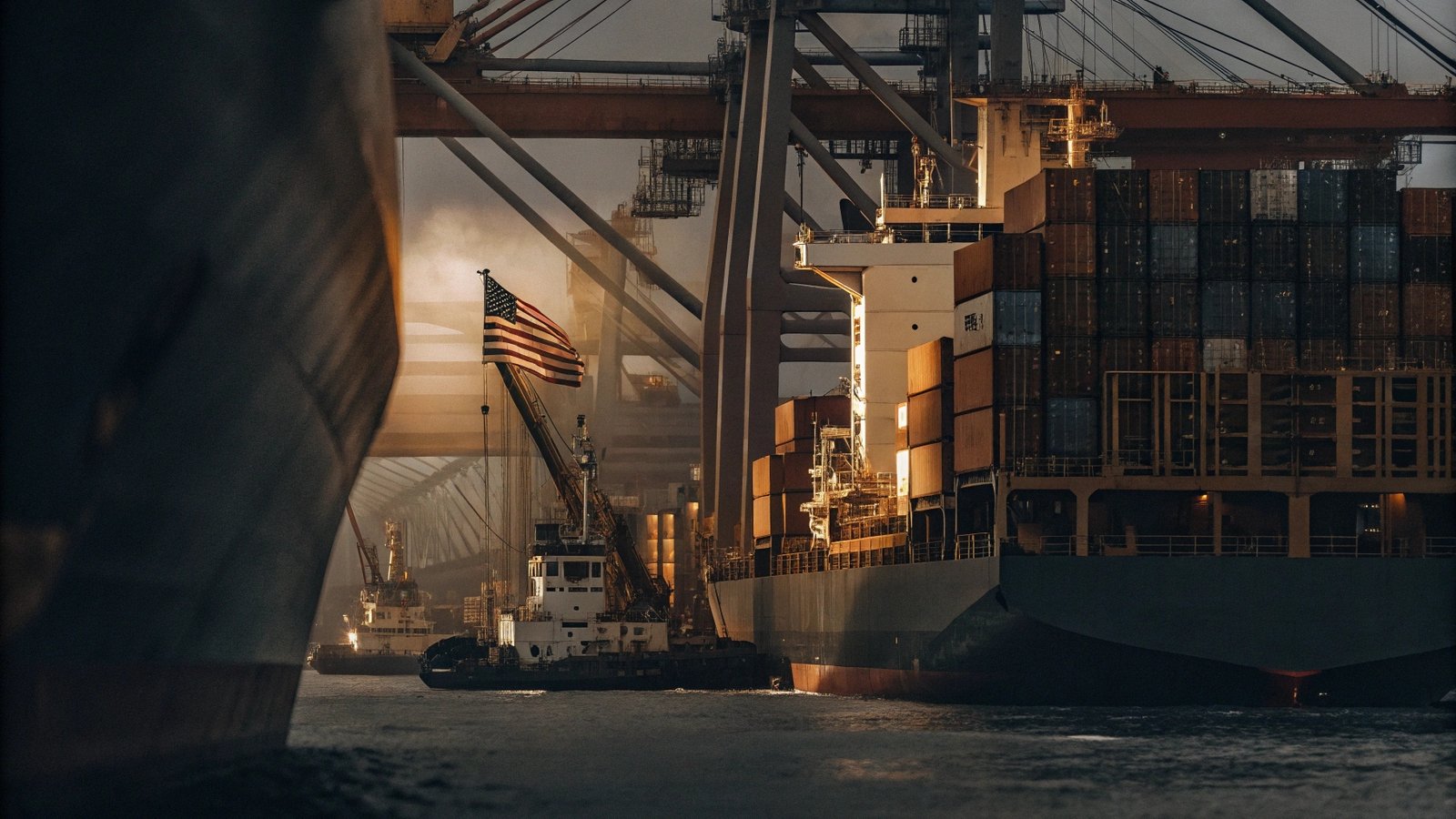
Publishers should not be frightened by tariffs on book printing in China without checking the full landed cost. Import duty, freight, manufacturing cost, packaging, inland transport, customs clearance, and delivery timing all affect the final cost. Buyers should verify tariff rates with qualified customs professionals.
Tariff is one line in the landed-cost calculation
I am not a customs broker or legal adviser, so I always tell publishers to verify current duty rates and tariff treatment before publication or ordering. Rules change. Product classification matters. Destination market matters. Book type matters.
That said, tariffs should be evaluated as part of a complete landed-cost model:
| Cost item | Should publishers include it? |
|---|---|
| Unit manufacturing cost | Yes |
| Proofing cost | Yes |
| Packaging cost | Yes |
| Inland transport in China | Yes |
| Ocean or air freight | Yes |
| Insurance | Usually yes |
| Import duty and tariff | Yes, verify current rate |
| Customs clearance | Yes |
| Destination inland delivery | Yes |
| Warehousing or fulfillment prep | If applicable |
| Damage risk and replacement buffer | Often worth considering |
Some publishers hear a duty percentage and stop the discussion. That is not enough. If one region has a lower duty but a much higher manufacturing cost, the final landed cost may still be higher. If another supplier has weaker packaging, damage and replacement costs may offset any tariff saving.
Use scenarios, not assumptions
For the U.S. market, I have heard working assumptions such as trade books facing a relatively modest import duty while some children’s books may have different or even zero-duty treatment. I have also heard publishers compare this with alternative regional manufacturing costs that may be 20% or more above China in certain cases. These figures must be checked for the exact product and date. They are not universal facts.
A simple scenario model helps:
| Scenario | Manufacturing cost | Duty/tariff | Other risk |
|---|---|---|---|
| China supplier with strong capability | Lower or competitive | Must verify | Strong if supplier fit is good |
| Alternative region supplier | May be higher | Must verify | Depends on maturity and materials |
| Local supplier | Often higher | Lower import complexity | May reduce freight time |
| Split production | Mixed | Mixed | More management complexity |
A publisher does not need to love tariffs. A publisher only needs to avoid making decisions from fear. The correct question is not “Is there a tariff?” The correct question is: “What is my total landed cost and total risk for this exact book?”
Delivery terms must be clear
Tariff discussions also connect with delivery terms. Publishers should understand whether the quote is based on EXW, FOB, CIF, DAP, DDP, or another arrangement. These terms affect who pays for freight, insurance, import clearance, duty, and delivery.
If a supplier gives a low FOB price and another supplier gives a DDP price, the numbers are not directly comparable. I prefer to put delivery terms in writing early. It prevents confusion near shipment, when there is less time to fix problems.
For publishers, the safest practical step is simple:
- Ask the supplier to state the trade term clearly.
- Ask a freight forwarder or customs broker to estimate import charges.
- Confirm the HS code or classification with a qualified professional.
- Compare landed cost, not factory price.
- Recheck before placing a large repeat order.
This is a boring process, but it is much cheaper than a surprise after the books arrive.
What “do nots” should publishers remember for book printing in China?
A successful project often depends on avoiding simple mistakes. I have seen many problems begin before production starts. A publisher sends incomplete specs. Sensitive content is discovered late. Packaging is treated as an afterthought. The supplier is chosen only by price. These mistakes are preventable.
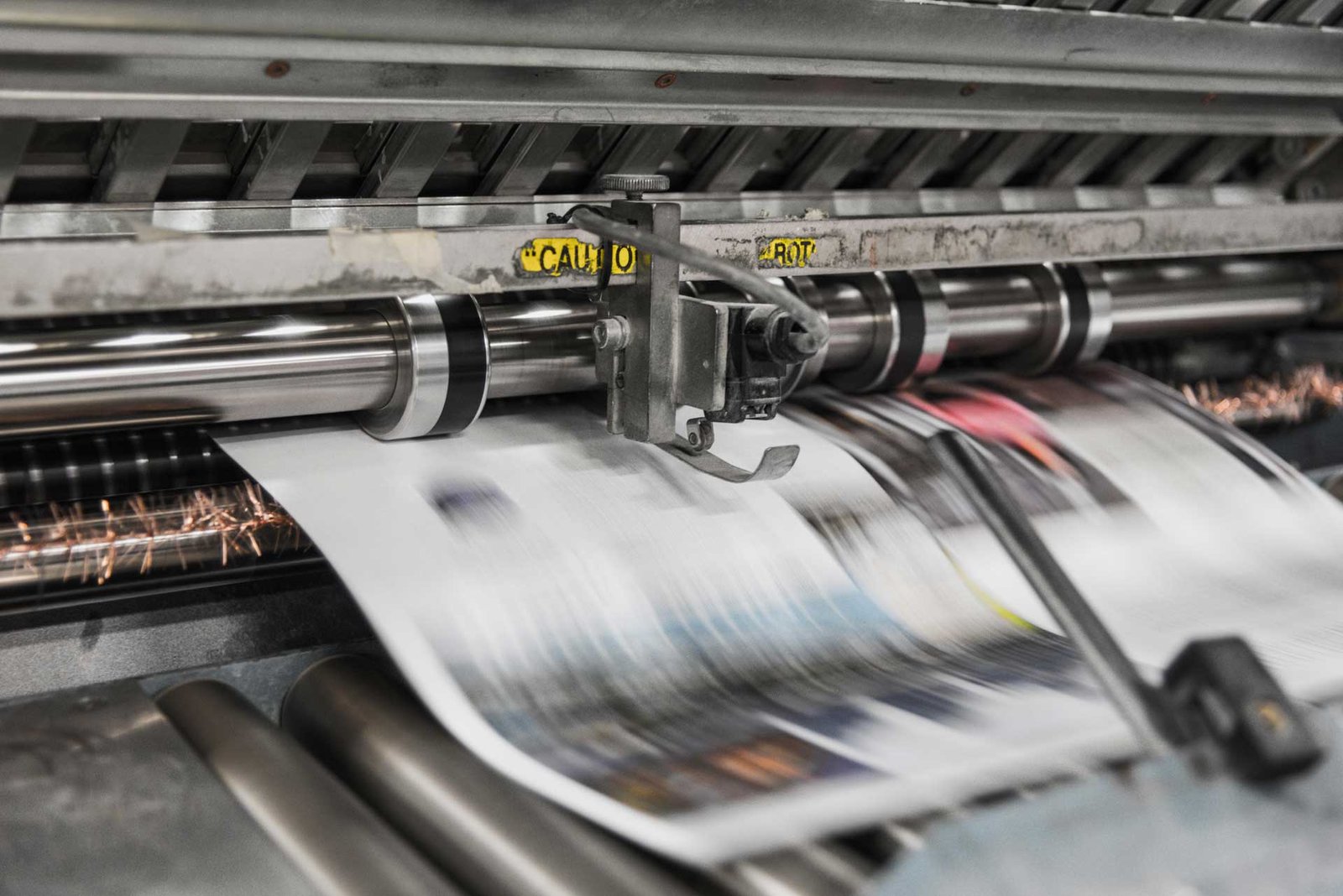
Publishers should remember several “do nots” for book printing in China: do not quote without complete specs, do not ignore content eligibility, do not skip proofing, do not treat packaging as minor, do not compare suppliers only by price, and do not start production without written approvals.
Do not request a serious quote with incomplete specifications
A fast quote is not always a useful quote. If the book specification is unclear, the supplier has to assume too much. That creates hidden differences between quotations.
A strong RFQ should include:
- Trim size
- Extent/page count
- Binding
- Paper
- Printing colors
- Finishing
- Quantity
- Proofing needs
- Packing method
- Delivery term
- Destination
- Required certificates or audits to verify
- Special quality expectations
- Content sensitivity, if any
I also suggest sending reference photos if the book has a special structure. Photos are not a substitute for specifications, but they help the supplier understand the target.
Do not ignore content inspection
Content inspection is a real issue when printing in China. It is not just a formality. Books containing pornography, extreme violence, politically sensitive content, or map content not aligned with China’s government policy may not be allowed to print in China. Publishers should flag sensitive content early before quoting or scheduling production.
I am not a legal or censorship authority. I cannot give a final ruling in a blog article. But I can say this from project communication experience: content issues discovered late can cause serious schedule and production disruption.
If a book contains any potentially sensitive material, publishers should:
- Tell the supplier early.
- Share relevant pages for pre-check where appropriate.
- Avoid booking fixed launch schedules before eligibility is clear.
- Consider alternative production locations if needed.
- Get professional advice when the content risk is significant.
This is especially important for maps, political history, adult content, war imagery, and strong violent themes.
Do not treat packaging as a logistics footnote
Packaging is part of quality control. A perfect book can become an unsellable book if the carton collapses or the pallet shifts inside the container.
For export book printing in China, packaging should cover:
- Carton strength
- Carton size and weight
- Moisture protection where relevant
- Corner protection for premium books
- Pallet material
- Palletizing method
- Stretch wrapping
- Container loading
- Securing pallets inside the container
- Shipping marks and carton labels
Heavy books create special pressure on cartons. High-humidity routes may need more moisture planning. Premium hardcover books may need tighter corner protection. Board games and book-plus products may need inner trays, dividers, or stronger master cartons.
I like to discuss packaging before production finishes, not after. Once books are packed badly, it is hard to fix the risk without repacking. Repacking costs time and money.
Do not assume certificates replace supplier evaluation
Certificates and audits are important. Buyers may ask to verify documents such as FSC, ISO 9001:2015, ISO 14001, SMETA, Costco audits, or other customer-specific requirements. However, a certificate does not automatically prove that a supplier is the right fit for every book.
Publishers should verify documents, but they should also evaluate:
- Actual product samples
- Similar project experience
- QC workflow
- Communication response
- Prepress ability
- Packaging practice
- Export experience
- Ability to handle claims or corrective actions
A mature supplier should welcome clear questions. Good evaluation is not distrust. It is professional procurement.
Frequently Asked Questions
Is book printing in China still worth it for publishers in 2026?
Yes, book printing in China can still be worth it when publishers need volume production, complex binding, color control, accessories sourcing, assembly, and export packaging. The decision should be based on total landed cost, supplier capability, proofing quality, content eligibility, and risk control, not only unit price.
What information should I prepare before requesting a China book printing quote?
You should prepare trim size, page count, binding, paper, printing colors, finishing, quantity, proofing needs, packaging, delivery term, destination, certification requirements, and any sensitive content notes. A complete brief helps suppliers quote the same product and reduces later disputes.
Can every type of book be printed in China?
No. Some content may not be eligible for printing in China, including pornography, extreme violence, politically sensitive content, or certain map content. Publishers should raise sensitive content early. A qualified review may be needed before quoting, scheduling, or committing to production.
Is a proof the same as the final mass-produced book?
No. A proof is a reference for approval, but mass production has normal manufacturing tolerances. Publishers should define whether they need a digital proof, wet proof, white dummy, finished sample, or packaging sample, and they should understand what each proof can and cannot confirm.
How should I compare China with China Plus alternatives?
You should compare total landed cost, supplier maturity, material access, finishing capability, quality consistency, packaging reliability, delivery time, and project management. China Plus can be a smart strategy, but it should be tested against the exact book specification and supplier capability.
Conclusion
Book printing in China in 2026 should be a controlled sourcing decision, not a race to the lowest price. Publishers should prepare complete specifications, invest in the right proofing, check content eligibility early, compare China Plus options fairly, verify tariff assumptions, and treat packaging as part of quality control. If you need a China-based B2B partner for book production, assembly, product design, or accessory sourcing, you can contact us at info@huaxinprinting.com or +86 13922839588 to discuss your project brief.